
Reader Content
Welcome. This is where I’ll share essays, reflections, and excerpts from my writing, including Moadim. New pieces are on the way, so please check back soon.
2026
Week of November 23, 2026
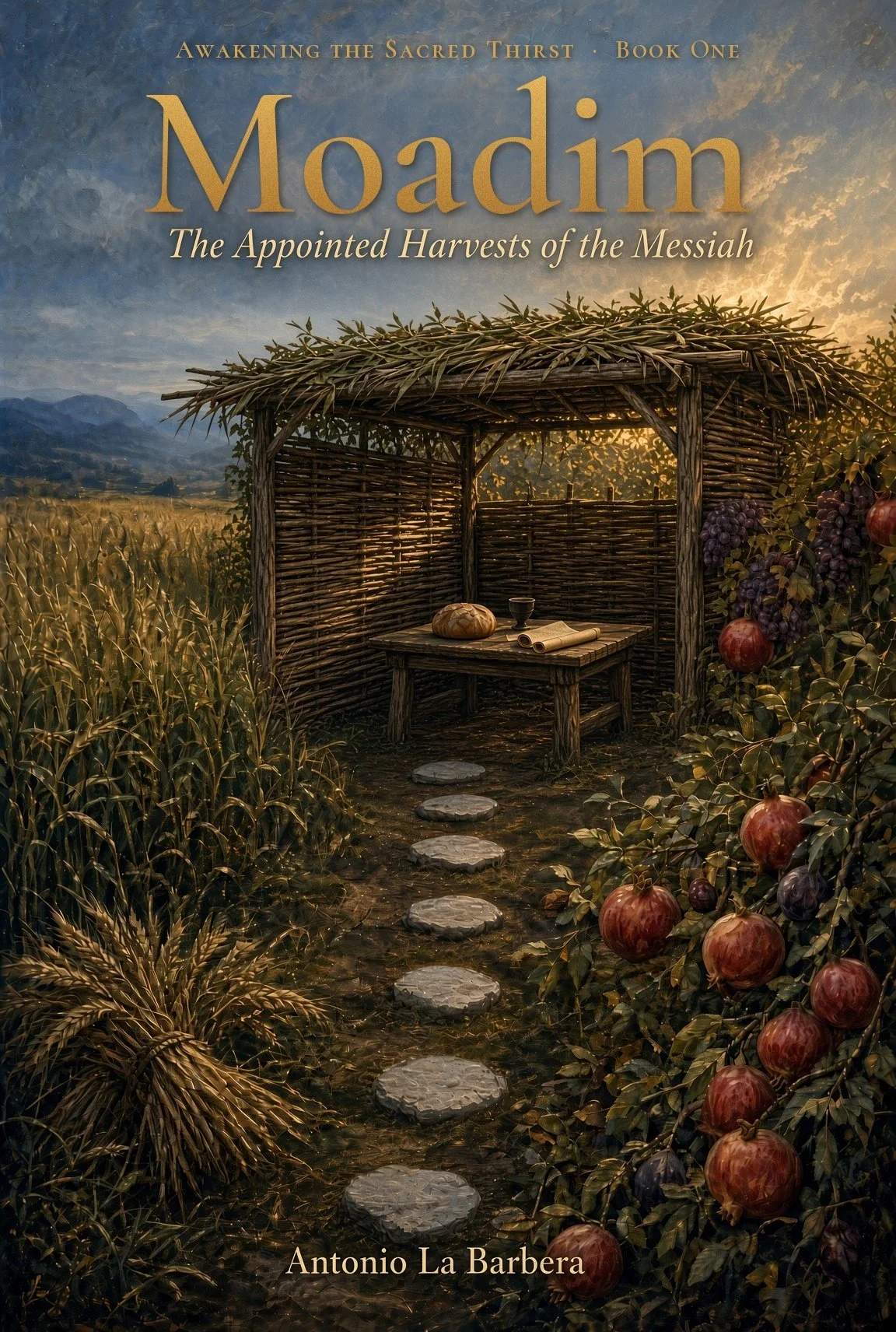
The Todah: True Thanksgiving
Today, across America, families will gather around full tables and share what they’re thankful for. That’s a beautiful thing. But Scripture invites us to go one step further.
In ancient Israel, thanksgiving wasn’t only something you felt. It was something you offered. The Hebrew word todah means “thanksgiving,” and it also named a sacrifice: the todah offering (Leviticus 7:11–15). Someone God had rescued from sickness, danger or distress would bring an offering to the Temple, along with bread, and share the meal with family and friends while telling the story of what God had done. The Psalms are full of it: “I will offer to thee the sacrifice of thanksgiving and call on the name of the Lord” (Psalm 116:17).
That’s the heart of it. True thanksgiving gives something. It takes what God has freely given us and freely offers it back to Him: our time, our gifts, our resources, our very selves. Gratitude that stays a feeling stays with us. Gratitude that becomes an offering reaches others.
God’s appointed feasts, the moadim, teach the same rhythm. Israel was told, “They shall not appear before the Lord empty-handed; every man shall give as he is able, according to the blessing of the Lord your God which he has given you” (Deuteronomy 16:16–17). Each feast was a celebration, and each was a gift returned. Christians hear an echo of this in the Eucharist, a word that itself means “thanksgiving.”
So as you give thanks today, I invite you to ask: What has God placed in my hands this year, and what would it look like to open them? That, to me, is what it means to live with hands open.
Happy Thanksgiving, and God bless you.
Antonio
Also today: The One Who Came Back